
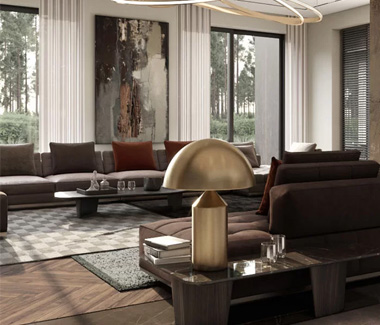
Many homeowners assume furniture and joinery serve the same purpose. At first glance, both provide storage, support appliances, and improve room organization. The problems begin after installation. Standard furniture often leaves unusable gaps, weak load support, poor wall alignment, and restricted movement inside busy living areas. In kitchens, laundries, and wardrobes, these issues quickly affect daily routines.
The situation becomes worse in homes with irregular wall dimensions or compact layouts. Store-bought units rarely fit correctly inside older Sydney properties. Homeowners then attempt fillers, spacers, or secondary storage additions that create visual clutter and wasted floor space.
This is where Sydney joinery changes the discussion from furniture placement to structural space planning. Instead of forcing rooms to suit fixed products, joinery systems are built around actual site conditions and household use patterns. The sections below examine the technical differences between factory-produced furniture and fitted joinery systems currently used across Sydney homes.
Structural Fit Across Residential Spaces
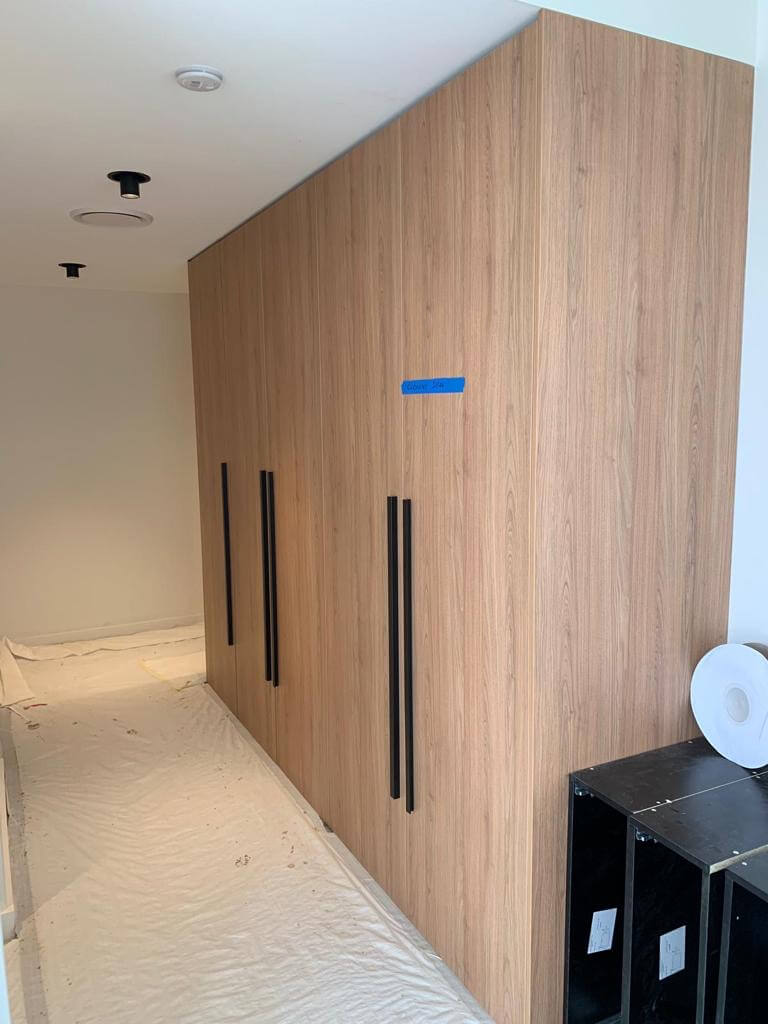
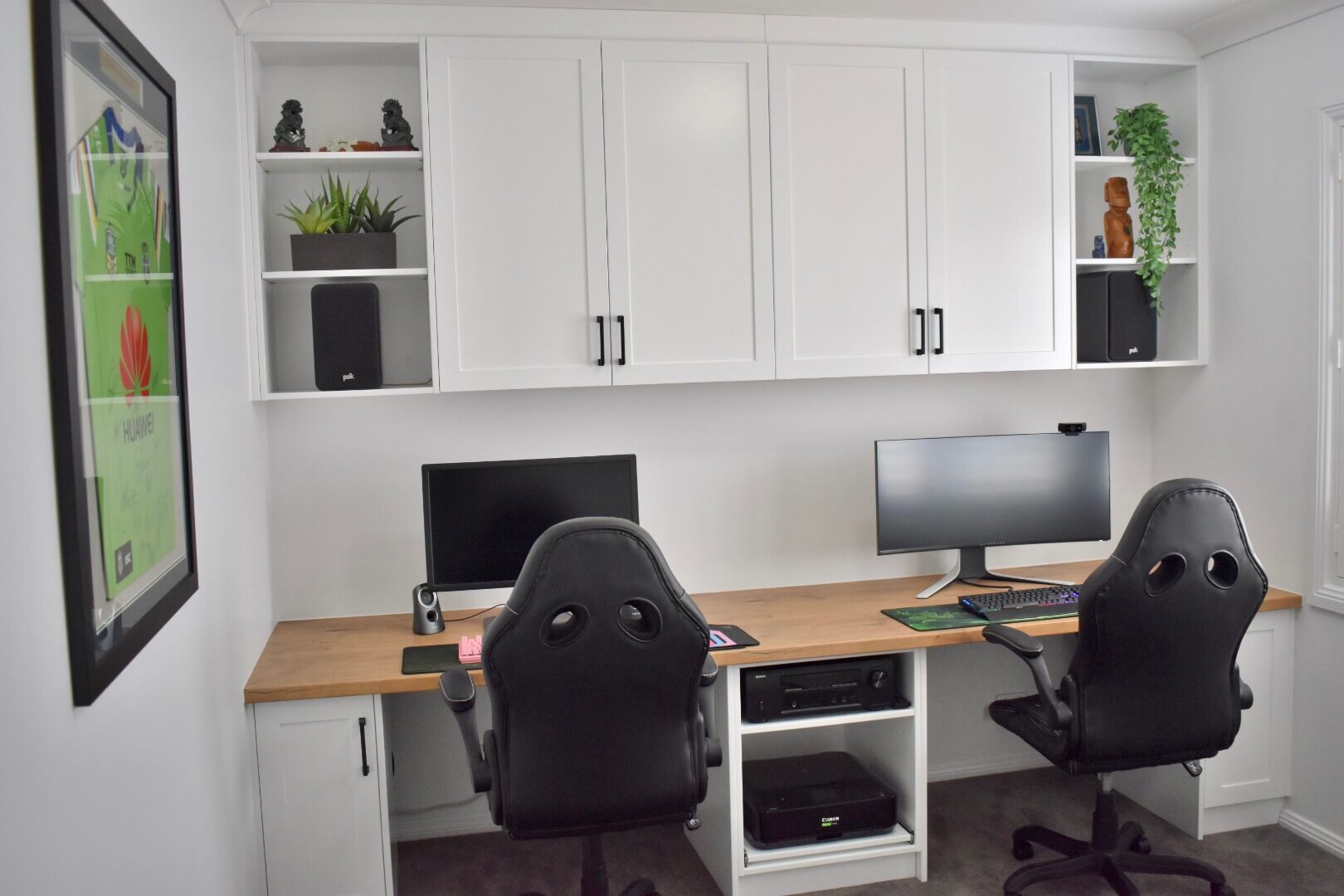
Off-the-shelf furniture follows fixed dimensions intended for mass production. These dimensions rarely match actual residential layouts, especially in older Sydney homes where walls, ceilings, and flooring levels vary significantly. Sydney joinery approaches room planning differently by treating every wall section, corner depth, appliance cavity, and ceiling height as part of a connected storage system. This becomes especially important in projects involving custom joinery eastern suburbs sydney where compact layouts require accurate use of available space. Standard furniture often creates dead zones above cabinets, narrow side gaps beside appliances, and inaccessible storage corners. Joinery systems remove these problems by integrating cabinetry directly into the structure of the room. Wall-mounted units also distribute weight more evenly compared to freestanding furniture systems that place pressure on limited support points. Properly installed Sydney joinery improves room flow and reduces wasted floor area inside kitchens, wardrobes, laundries, and living spaces.
Material Performance Under Daily Use
Surface Stability Near Moisture Zones
Standard furniture panels often struggle in areas exposed to steam, heat, or cleaning chemicals. Laminated particleboard may swell once moisture enters exposed edges. Sydney joinery generally uses moisture-resistant boards and sealed surfaces in kitchens, laundries, and bathrooms where humidity levels remain high.
In projects involving custom joinery eastern suburbs Sydney, coastal air exposure also affects material stability over time. Proper sealing methods become critical in these conditions.
Internal Load Capacity Differences
Mass-produced furniture commonly relies on lightweight panels and limited internal support. Heavy cookware, appliances, or wardrobe storage may eventually stress shelving systems beyond their intended capacity.
Sydney joinery usually includes stronger carcass construction, reinforced fixing points, and thicker shelving support for heavier residential use. This improves long-term storage stability across high-traffic areas.
Hardware Wear During Repeated Access
Drawer runners and hinge systems experience constant movement during daily use. Standard furniture hardware often prioritizes lower manufacturing costs rather than extended performance.
Joinery systems generally include commercial-grade hardware designed for repeated opening cycles. In custom joinery eastern suburbs sydney projects, hardware selection becomes especially important due to tighter layouts and heavier storage demands.
Storage Planning Inside Compact Homes
One major difference between furniture and joinery appears in storage efficiency. Standard furniture works within fixed dimensions, while Sydney joinery adjusts storage allocation according to room size and user habits.
Important storage differences include:
- Full-height wall storage integration
- Corner cabinet access systems
- Appliance-specific cabinet spacing
- Hidden waste storage sections
- Internal drawer organizers
- Ceiling-mounted overhead storage
Homes using custom joinery eastern suburbs Sydney often require more detailed planning because smaller floor areas leave little room for wasted space. Joinery systems allow storage placement around plumbing lines, appliances, and irregular wall shapes without reducing movement areas.
Storage efficiency depends on planning before installation begins. Freestanding furniture may appear convenient initially, but poorly used space usually creates ongoing clutter and secondary storage costs later.
Installation Methods And Structural Support
Wall Integration Across Older Homes
Off-the-shelf furniture is generally designed for simple placement rather than structural integration. This creates problems in homes where flooring levels shift or walls contain irregular surfaces. Sydney joinery uses site-specific measurements to correct these issues before manufacturing begins.
Australian renovation data continues showing increased demand for fitted storage systems in older residential properties due to inconsistent room dimensions. Furniture gaps near walls often collect dust, reduce visual continuity, and limit usable storage space. Joinery systems close these gaps through direct wall integration and fitted support sections.
Weight Distribution Across Cabinet Systems
Freestanding furniture places concentrated weight pressure on limited floor contact points. This may affect the flooring condition over extended periods, especially under heavy storage loads. Sydney joinery spreads weight distribution across mounted wall sections and integrated support structures.
Projects involving custom joinery eastern suburbs sydney frequently involve apartment renovations where efficient load management matters for both structural balance and movement space. Integrated joinery systems also reduce movement risks compared to standalone furniture units that may shift during repeated use.
Proper installation planning affects long-term performance more than appearance alone. Strong fixing systems and correct weight distribution reduce maintenance issues and improve storage durability inside active family homes.
Workflow Efficiency Inside Daily Living
Furniture placement should support movement rather than interrupt it. Sydney joinery studies room access, appliance positioning, and storage frequency before installation begins. This planning process improves workflow across kitchens, laundries, wardrobes, and living areas.
Key workflow considerations include:
- Appliance access without obstruction
- Drawer clearance near walkways
- Storage placement beside work zones
- Reduced congestion in shared spaces
- Better lighting access around cabinets
- Integrated charging and utility sections
Many custom joinery eastern suburbs Sydney projects involve open plan homes where cabinetry directly affects walking paths and visual flow between connected rooms. Poor furniture positioning often restricts access and creates unnecessary congestion during busy periods.
Joinery systems organize movement around actual household behaviour. Storage zones remain closer to work areas, reducing repetitive movement across the room during daily tasks.
Long-Term Maintenance And Repair Access
Furniture systems frequently require replacement once panels weaken or hardware begins failing. Repair access may also become difficult because mass-produced components are not always designed for long-term servicing. Sydney joinery allows more direct maintenance access through removable panels, service cavities, and stronger structural sections.
Cabinet servicing becomes especially important in plumbing and electrical areas. Integrated joinery systems can include planned access points for future repairs without removing entire cabinet sections. This reduces labour costs during maintenance work.
Projects involving custom joinery eastern suburbs Sydney often require future flexibility because many older homes undergo staged renovations over time. Joinery systems generally adapt more easily during later room upgrades compared to fixed-dimension furniture products.
Homeowners should also consider replacement consistency. Off-the-shelf furniture ranges frequently change designs or discontinue components, making matching repairs difficult years later. Joinery systems built through structured planning usually maintain stronger continuity across future renovation stages.
Final Thoughts
A poorly planned furniture decision continues affecting daily life long after installation ends. Wondrous Renovations approaches Sydney joinery through detailed layout analysis, practical storage planning, and site-specific installation methods suited for modern family homes. Standard furniture may appear convenient during initial purchase stages, yet long-term performance often depends on structural fit, workflow efficiency, and material stability. Delaying proper planning can also limit renovation options once flooring, appliances, and service locations become fixed. Homeowners considering cabinetry or fitted storage should arrange planning discussions early, before renovation schedules become difficult to secure.
Speak with Wondrous Renovations today and begin building storage systems designed around actual living conditions instead of forcing your home to work around standard furniture limitations.
Frequently Asked Questions (FAQs)
1. Does Sydney joinery provide better storage than standard furniture?
Yes, fitted joinery systems use available wall space more efficiently and reduce wasted storage areas.
2. Is custom joinery eastern suburbs of Sydney suitable for apartments?
Yes, it works well in compact layouts where storage planning and movement space both matter heavily.
3. Can joinery improve appliance integration?
Yes, fitted cabinetry allows appliances to sit correctly within planned storage and ventilation zones.
4. Does fitted joinery require more maintenance?
No, strong materials and structured installation methods often reduce ongoing repair requirements over time.
5. Is off-the-shelf furniture cheaper long term?
Not always, because replacement costs and poor space usage may create higher expenses across future renovations.