
Introduction
Many homeowners face the same issue after moving into an older property. The rooms may look acceptable, but daily use reveals problems such as limited storage, poor placement of cabinets, wasted corners, and layouts that do not support modern routines. These issues often become frustrating because the home starts working against the people living inside it.
Poor interior planning can lead to clutter, difficult movement, and spaces that fail to meet practical needs. A kitchen may lack useful storage, a wardrobe may not handle everyday items, or a bathroom may have unused areas that could serve a better purpose.
A professional approach to residential joinery Sydney helps solve these challenges by analysing space, usage patterns, and design requirements before installation begins. The right planning methods can create interiors where every section has a clear role. This guide explains the key factors behind effective joinery decisions and how they support better home functionality.
Functional Planning Through Joinery Systems
Residential joinery Sydney requires a detailed understanding of how people interact with their homes. Good joinery planning begins with evaluating room dimensions, storage requirements, traffic flow, and daily habits. Instead of adding storage randomly, professionals assess where items are used, how frequently they are accessed, and what type of solutions suit the space. This approach allows kitchens, wardrobes, bathrooms, and living areas to operate with better organisation. For example, a kitchen layout must consider appliance positions, preparation areas, and storage zones to reduce unnecessary movement. A wardrobe system should account for clothing types, accessories, and available room space. Every decision affects how practical the final interior becomes. The focus remains on creating a home environment where design choices support everyday activities.
Material Choices And Interior Performance Factors
Materials play an important role in joinery planning because they influence appearance, maintenance needs, and everyday performance. Different rooms require different surface options depending on moisture exposure, usage frequency, and cleaning requirements.
A bathroom storage unit needs different considerations compared with a living room cabinet. Moisture-resistant materials, suitable finishes, and strong fittings can help maintain the condition of the installation over time. Residential joinery Sydney projects often involve selecting materials that match both practical demands and the homeowner’s preferred style.
Smart Storage Methods For Modern Homes
Storage planning is one of the most important parts of joinery design double bay because every home has different space challenges. Effective storage is based on understanding what needs to be stored and where it should be placed.
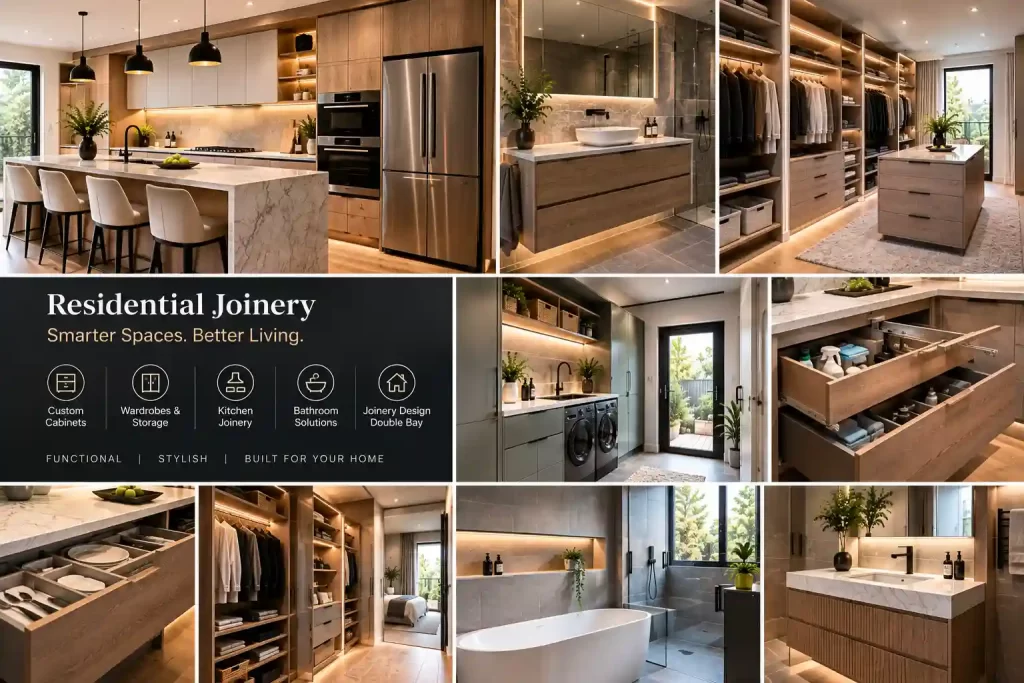
For example, deep drawers can support kitchen organisation, while built-in wardrobe sections can separate clothing, shoes, and accessories. These decisions reduce clutter and help rooms maintain a cleaner appearance.
Another key factor is accessibility. Storage should not only exist, but it should also be easy to use. A well-planned interior considers the height, position, and purpose of every storage section.
Space Assessment Before Installation
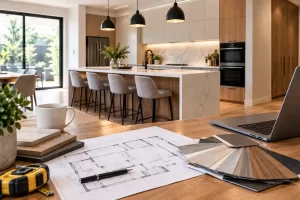
Before any joinery work begins, an assessment of the property helps identify opportunities and limitations. Measurements, room conditions, and homeowner expectations guide the planning stage.
A detailed assessment prevents common problems such as unsuitable cabinet sizes, blocked pathways, or unused sections. This preparation creates a stronger foundation for the outcome.
Storage Logic Behind Modern Home Layouts
The success of joinery depends heavily on understanding how space is used. Residential joinery Sydney solutions often focus on improving storage capacity while keeping rooms comfortable for everyday activities. A well-planned interior does not simply add more units; it creates a better relationship between furniture, movement, and lifestyle.
Joinery design double bay projects commonly involve reviewing existing layouts and identifying areas where practical improvements can be introduced. This may include changing cabinet placement, improving wardrobe organisation, or creating more useful bathroom storage.
Key considerations include:
- Room size and available wall space
- Storage requirements based on household routines
- Placement of appliances, fixtures, and furniture
- Material suitability for different environments
- Long-term maintenance needs
These points help homeowners make informed choices before starting renovation work. A strong joinery plan considers both current needs and possible future changes in how the home may be used.
Technical Standards For Residential Interiors
Residential joinery Sydney projects depend on careful planning standards that cover measurements, installation conditions, and material performance. Industry professionals review technical details such as cabinet dimensions, hardware selection, ventilation needs, and structural support before work begins.
Accurate measurements are important because even small errors can affect the final usability of a space. Kitchen cabinetry, wardrobes, and bathroom units must fit correctly within existing areas to avoid functional issues. Material selection also matters because different environments create different demands.
A study of Australian renovation trends shows that homeowners increasingly prefer interiors that combine storage efficiency with clean layouts. Data from renovation projects often highlights storage as one of the main factors influencing satisfaction after completion. Practical joinery solutions address this demand by focusing on room performance rather than appearance alone.
Project Evaluation Before Joinery Installation
Before beginning a renovation, homeowners should review several factors that influence the success of a joinery project. A clear evaluation helps avoid unexpected issues during installation and supports better decision-making.
Important Planning Points For Homeowners
A professional review should include:
- Current problems within the existing space
- Required storage volume and access needs
- Suitable materials for each room
- Budget planning and project scope
- Expected usage patterns after completion
Joinery design double bay requires attention to detail because every property has different conditions. A solution that works well in one home may not suit another due to room shape, family requirements, or architectural features.
A well-considered plan gives homeowners a clearer direction before work starts. It also allows design teams to create solutions that support comfort, organisation, and practical living.
Home Design Decisions With Better Joinery
Modern homes require interiors that support changing lifestyles. Residential joinery Sydney offers a structured approach to improving rooms through better storage placement and functional planning. Instead of focusing only on visual appeal, effective joinery considers how people cook, store belongings, work, and relax within their homes.
Joinery design double bay is often used by homeowners who want practical improvements that match the character of their property. The right approach combines room analysis, suitable materials, and careful installation methods to achieve a balanced result.
Joinery planning can influence many parts of a home, including:
- Kitchen efficiency through better storage zones
- Bedroom organisation with practical wardrobe systems
- Bathroom usability through smart cabinet placement
- Living areas with improved storage options
These improvements show why joinery decisions should be considered early during renovation planning. A well-planned interior supports daily routines and helps homeowners make better use of available space.
Conclusion
A home tells a story through the way people use it every day. When storage struggles and layouts create frustration, the solution often begins with better planning. Residential joinery Sydney gives homeowners a practical way to improve interior function through smart space decisions and careful project planning.
At Wondrous Kitchens, every renovation project begins with understanding the homeowner’s needs, room conditions, and expected lifestyle outcomes. Their team focuses on creating joinery solutions that support modern living across Sydney homes.
If your current space feels limited or difficult to manage, now is the right time to review your options. Contact Wondrous Kitchens today for a professional consultation and take the first step toward a home layout that works better for you.
Frequently Asked Questions (FAQs)
1. What does residential joinery Sydney include?
Residential joinery Sydney includes kitchen units, wardrobes, bathroom storage, cabinetry, and interior solutions planned for home spaces.
2. Why is joinery planning important for renovations?
Good joinery planning helps create organised interiors by considering storage needs, room size, and daily household activities.
3. How does joinery design double bay support better interiors?
Double-bay joinery design focuses on practical layouts, useful storage areas, and solutions suited to different home requirements.
4. Can joinery improve small home spaces?
Yes, well-planned joinery can help small areas use available space more effectively through smart storage choices.
5. How should homeowners start a joinery project?
Homeowners should begin with a professional assessment to understand space requirements, materials, and project goals.