
A bedroom is not just a place for rest. It is a space where storage, movement, and daily routines must work together. Many homeowners struggle with crowded rooms, poor storage access, and custom wardrobes that take more space than they provide. Choosing the right storage system can change how a room feels and functions. This guide explains when sliding wardrobe doors are a practical option, which technical factors matter before installation, and how professional home renovators approach storage planning for better results.
Introduction
A bedroom storage issue often begins with small frustrations. Clothes become difficult to arrange, walking areas feel restricted, and traditional wardrobe doors create access problems in tighter rooms. These challenges are common in modern homes where every part of the floor plan needs to serve a purpose. Poor storage planning can lead to wasted space and daily inconvenience, especially in bedrooms with limited dimensions.
When storage systems are selected without considering room size, door movement, and user habits, the final setup may not support everyday needs. The solution is choosing a storage approach that matches the room’s structure and lifestyle requirements. Understanding the role of sliding wardrobe doors helps homeowners make informed decisions before starting a renovation project.
Storage Planning For Modern Bedroom Layouts
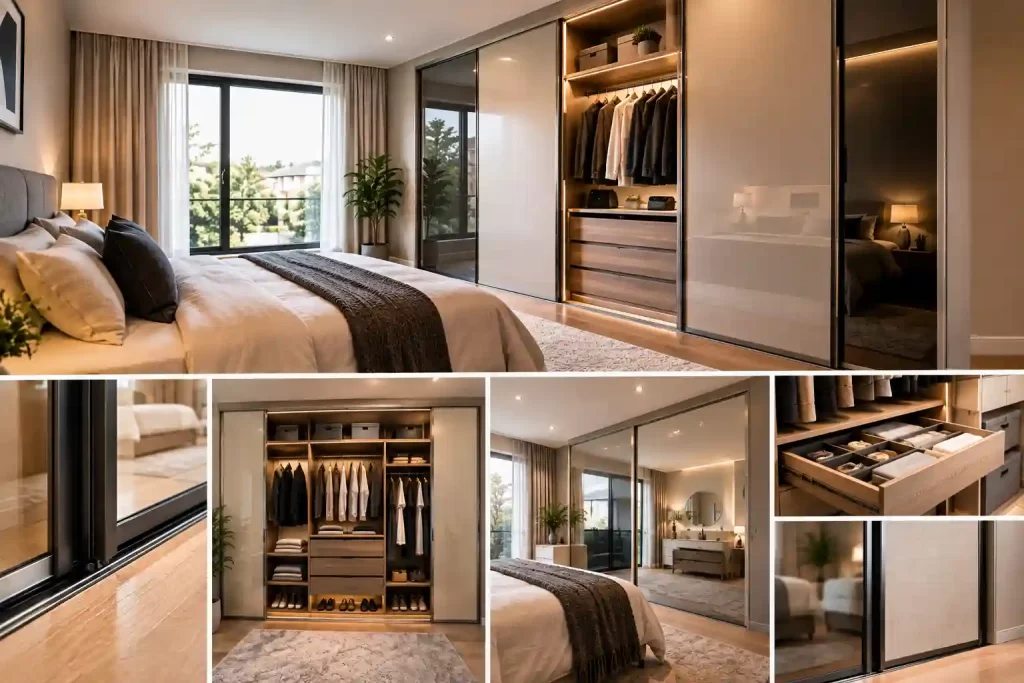
Bedroom storage planning requires more than choosing a wardrobe style. It involves studying available wall space, room traffic areas, opening clearance, and how frequently stored items are accessed. Sliding wardrobe doors operate on a track system that allows door panels to move horizontally instead of swinging outward. This feature can be useful in rooms where floor area needs careful management. The placement of internal shelves, hanging sections, drawers, and compartments also affects how practical the storage solution becomes. A well-planned wardrobe system considers both the visible structure and the internal arrangement, creating a setup that supports daily routines without creating unnecessary restrictions.
Door Systems And Room Efficiency Factors
Space Analysis Before Installation
Before installing sliding wardrobe doors, professionals review room measurements, wall conditions, and existing furniture placement. This assessment helps determine whether the door system suits the bedroom layout and whether additional adjustments are required.
The track quality, panel size, and installation position influence the overall operation of the wardrobe. Home renovators often examine these details early because small planning mistakes can affect access and long-term use.
A bedroom with limited clearance can benefit from a sliding system because it removes the need for outward door movement. This allows furniture placement closer to the wardrobe area and creates more usable walking space.
User Requirements And Storage Access
Every household uses storage differently. Some need more hanging sections, while others require additional shelving for folded clothing and accessories. The internal arrangement should support the habits of the people using the room.
Sliding wardrobe doors are often selected when homeowners want a practical storage solution that fits within the available room structure. The right setup depends on measurements, usage patterns, and the overall renovation plan.
Material Choices for Long-Term Wardrobe Use
Material selection plays an important role in wardrobe performance. Panels, tracks, handles, and internal fittings all contribute to the overall function of the system. Home renovators usually review material options based on durability, maintenance needs, and compatibility with the bedroom environment.
Common materials include glass panels, timber finishes, laminate surfaces, and mirrored options. Each choice provides different benefits depending on the room style and practical requirements. Sliding wardrobe doors with suitable materials can support organised storage while maintaining a balanced appearance within the space.
Key factors to review before choosing materials include:
- Panel weight and track compatibility for smooth operation
- Surface maintenance requirements based on daily use
- Internal storage features that match clothing and accessory needs
- Room conditions such as lighting, size, and furniture arrangement
A proper material review helps prevent issues after installation and allows homeowners to select a wardrobe system that suits both current needs and future use.
Technical Details Behind Better Storage Access
The technical side of wardrobe installation is often overlooked. Track alignment, panel balance, and structural support influence how the system performs over time. Sliding wardrobe doors require accurate measurements because incorrect sizing may affect movement and overall operation.
Professional installers consider wall conditions, floor levels, and installation tolerances before completing the project. These details are especially important for larger wardrobe systems where heavier panels require appropriate support. Home renovators with experience in renovation projects understand that storage solutions must be planned alongside the wider room structure.
Another important factor is internal access. A wardrobe may appear suitable from the outside, but poor internal planning can limit its usefulness. Shelving heights, hanging areas, and drawer positions should match the user’s requirements. The relationship between external door movement and internal storage layout determines how convenient the final system becomes.
Project Assessment Before Wardrobe Installation
Reviewing Bedroom Requirements
A successful wardrobe project begins with a clear review of the room. Measurements, storage goals, and design preferences should be discussed before selecting the final system. This process helps avoid changes during installation.
Sliding wardrobe doors are considered by many homeowners because they support better use of available space. However, the right choice depends on factors such as room dimensions, storage volume, and the overall renovation scope.
A detailed assessment allows home renovators to create a storage plan that fits the property rather than forcing the room to adapt around unsuitable choices.
Important assessment points include:
- Available wall width and ceiling height
- Existing furniture position and movement areas
- Required storage capacity for everyday items
- Future changes that may affect bedroom use
Good planning reduces uncertainty during renovation work and provides a clearer direction before installation begins.
Practical Considerations For Renovation Planning
Home renovation decisions often involve balancing appearance, function, budget, and daily comfort. Sliding wardrobe doors can become a suitable option when homeowners need better storage access without using extra floor space. The decision should be based on room analysis rather than trends alone.
Home renovators usually consider the complete environment, including lighting, furniture placement, and how the bedroom connects with the rest of the home. A storage solution should support the way people live inside the space while meeting practical requirements.
Wondrous Kitchens applies this approach across renovation projects by focusing on detailed planning, quality workmanship, and clear project guidance. If your bedroom storage feels limited or outdated, now is the right time to review your options. Contact Wondrous Kitchens today for expert renovation advice and take the first step toward a better organised home.
Frequently Asked Questions (FAQs)
1. When are sliding wardrobe doors a good option for bedrooms?
Sliding wardrobe doors are suitable when homeowners need better storage access while saving floor space. They work well in bedrooms where traditional doors may restrict movement.
2. Can home renovators help plan wardrobe installation?
Yes, home renovators can assess room conditions, storage needs, and installation requirements. Their guidance helps create a practical wardrobe solution for the property.
3. Do sliding wardrobe doors work in small bedrooms?
They can work well in smaller bedrooms because they move along a track instead of opening outward. This allows better use of available room space.
4. What should be checked before installing a wardrobe system?
Important checks include measurements, wall conditions, storage needs, and the placement of existing furniture. Proper planning supports a better final result.
5. Are sliding wardrobe doors suitable for renovation projects?
Sliding wardrobe doors can suit different bedroom layouts when planned correctly. Professional assessment helps ensure the storage system matches the room size, design needs, and everyday use.