
TL;DR
- Custom architectural windows are built to your home’s exact openings, light needs, and style, not picked off a standard size chart.
- They can completely change how a room feels, often more than a paint job or new furniture ever could.
- Pairing custom architectural windows with matching wardrobe designs creates a cohesive look across your whole home, not just one room.
- Pricing depends on frame material, glass type, and window size, with most homeowners budgeting per opening rather than per room.
- A poorly fitted window costs more long-term through draughts and energy loss than a properly installed custom one upfront.
AI Overview
Custom architectural windows are made-to-measure window systems designed around a home’s specific structure, light exposure and design style, rather than selected from a limited range of stock sizes. They’re commonly used in renovations, extensions and new builds where standard window dimensions don’t suit the layout, or where a homeowner wants a distinct architectural feature rather than a generic fit. Frame materials range from timber and aluminium to steel-look profiles, with costs varying based on size, glazing type and the complexity of the opening.
Introduction
Most people think about windows last. Cabinetry gets picked first, then flooring, then paint colours, and somewhere near the bottom of the list, almost as an afterthought, someone finally asks, “What are we doing about the windows?” That order is backwards, and it’s costing homeowners a genuinely stunning result.
Custom architectural windows aren’t just a practical fix for an awkward opening. Done right, they’re one of the biggest style statements a renovation can make, and they’re a lot more accessible than most people assume. This guide walks through what custom architectural windows actually involve, what they cost, and how they pair with details like wardrobe designs to pull an entire home together.
What Makes a Window “Architectural” Anyway?
Standard windows come in fixed sizes because they’re mass-produced for volume, not for your specific home. Custom-built openings flip that entirely; they’re designed around your opening, your light direction, and the overall style you’re going for.
That means:
- Exact-fit dimensions. No filler panels, no awkward gaps around the frame.
- Material and finish choices. Timber, aluminium, steel-look profiles, matched to your home’s era and aesthetic.
- Design flexibility. Oversized panes, unusual shapes, floor-to-ceiling glazing, or multi-panel configurations that a stock catalogue simply doesn’t offer.
Why the Right Window Choice Changes a Room More Than You’d Expect
Light does more work in a room than most people give it credit for. A standard window might technically “let light in,” but a well-designed custom window shapes how that light moves through a space across the day.
| Standard Windows | Custom Architectural Windows |
| Fixed sizing, limited style options | Built to your exact opening and vision |
| Generic frame finishes | Matched to your home’s period and palette |
| Often placed for function only | Positioned and shaped for light and view |
| Can leave awkward proportions in a room | Balances the room’s overall proportions |
| Off-the-shelf glazing | Choice of glazing for insulation, privacy, or acoustics |
Homeowners are often surprised by how much a single well-placed custom window changes the feel of a living space, sometimes more dramatically than a full furniture refresh.
Where Custom Architectural Windows Make the Biggest Difference
Living & Dining Areas
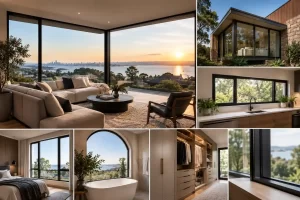
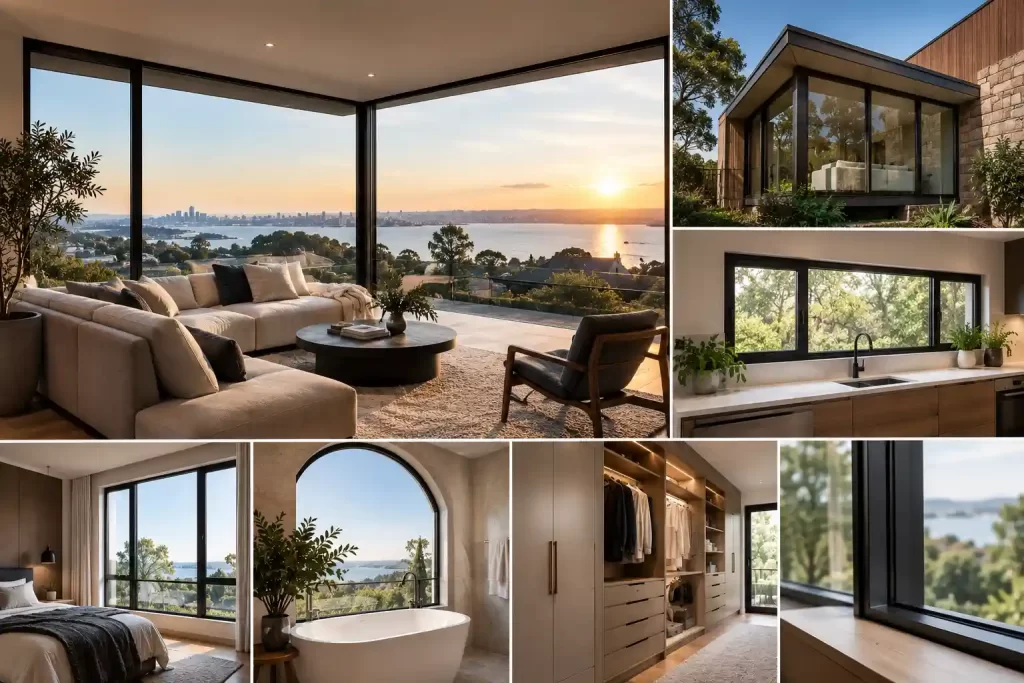
Larger openings or floor-to-ceiling glazing bring in significantly more natural light and can visually extend a room toward a garden or courtyard.
Kitchens
A well-placed window above a benchtop or sink area does more than function; it becomes a design feature homeowners notice every single day.
Extensions & Additions
New builds and extensions are where this approach is used most often, since there’s no existing frame to work around and full design freedom is on the table.
Heritage & Character Homes
Older Sydney homes with original window openings that don’t match modern stock sizes almost always need a custom solution to maintain the home’s character while improving performance.
Pairing Custom Architectural Windows With the Right Interior Details
Here’s something a lot of renovation guides miss entirely: windows don’t exist in isolation. The light and framing choices you make ripple through the rest of the room, including your storage.
This is where wardrobe designs come into the conversation more than people expect. A bedroom with a striking custom window deserves storage that doesn’t compete with it visually — think slimline sliding doors or built-in cabinetry that sits flush against the wall, rather than a bulky freestanding unit blocking natural light.
Homeowners renovating a full room, rather than just swapping one element, tend to get the best results by planning wardrobe designs and window placement together from the start. It avoids the common mistake of installing a beautiful window, only to later realise the wardrobe location blocks half the light it was meant to bring in.
What Do Custom Architectural Windows Actually Cost?
Pricing varies significantly based on size, frame material, and glazing, but here’s a realistic range for Sydney homeowners:
| Window Type | Typical Cost Range |
| Standard custom window (single opening) | $1,200 – $3,000 |
| Large format / floor-to-ceiling | $4,000 – $9,000 |
| Steel-look or premium frame profiles | $2,500 – $6,000 per opening |
| Multi-panel or bi-fold window systems | $6,000 – $15,000+ |
Timber frames typically sit mid-range, aluminium is often the most cost-effective for larger openings, and steel-look profiles command a premium for their sleek, modern appearance.
Glazing: The Detail That Changes Comfort, Not Just Looks
Frame style tends to get all the attention, but glazing choice matters just as much for everyday comfort. Single glazing is the most affordable option and still common in older Sydney homes, though it offers the least protection against heat, cold, and outside noise.
Double glazing adds an insulating air gap between two panes, noticeably reducing energy loss and street noise, a popular upgrade for homes near busy roads or exposed to harsh sun. Acoustic glass goes a step further again, using varied glass thicknesses to dampen sound more effectively, which is worth considering for bedrooms or home offices facing a noisy street. None of these choices are one-size-fits-all; the right glazing depends on your home’s orientation, climate exposure, and how the room is actually used day to day.
How to Choose the Right Team for the Job
Not every builder or trade should be handling architectural window installation; this is precision work where a small measurement error creates a lasting problem.
- Ask about their experience with custom sizing, not just standard replacements.
- Check what glazing options they offer. Double glazing, acoustic glass, and tinted options all serve different purposes.
- Request examples of completed projects, ideally in homes with a similar style to yours.
- Confirm the quote includes installation and finishing, not just the window unit itself.
- Ask how window placement will be coordinated with other joinery, like wardrobe designs or cabinetry, if you’re renovating the whole room.
Final Thoughts: Don’t Leave Windows Until Last
Custom architectural windows deserve a spot near the top of your renovation planning, not the bottom. They shape how light moves through your home, how proportions feel in a room, and how the whole space is experienced day to day. Paired thoughtfully with details like built-in storage and cabinetry, they turn a good renovation into one that genuinely feels considered from every angle.
Homeowners who plan windows early tend to end up with rooms that feel intentional rather than assembled piece by piece after the fact. That’s the difference this kind of early planning actually makes.
Ready to Bring More Light Into Your Home?
If you’ve been picturing a room with better light, better proportions, and windows that actually suit your home’s character, Wondrous Kitchens can help bring that to life. We handle custom architectural windows alongside wardrobe designs, cabinetry, and full home renovations across Greater Sydney, so every detail is planned together instead of pieced together after the fact. Renovation slots fill quickly once the warmer months roll in, so if a window upgrade has been on your mind, now’s the time to lock in your free, no-obligation quote before the calendar fills up.
Call Wondrous Kitchens to book your free consultation today.
Frequently Asked Questions
How long does it take to have custom architectural windows made and installed?
Most custom windows take four to eight weeks from final measurement to installation, depending on frame material, size, and current supplier lead times.
Are they more expensive to maintain than standard windows?
Not usually. Quality frame materials and proper installation often mean less maintenance long-term, since draughts, condensation and frame warping are far less common than with poorly fitted standard units.
Can I combine a window upgrade with other joinery work, like wardrobe designs?
Yes, and it’s actually recommended. Planning windows and wardrobe designs together avoids layout clashes and creates a more cohesive finished room.
Do custom windows help with energy efficiency?
Often significantly. Proper sizing eliminates draughty gaps, and glazing choices like double glazing can noticeably reduce heat loss and outside noise.
Is it worth getting custom windows for an older heritage-style home?
Almost always. Standard sizes rarely match original heritage openings, and a custom fit preserves the home’s character while improving comfort and performance.