
A lot of home layouts start with good intentions but end up fighting against daily use. Cabinets end up too deep to reach properly, corners stay wasted, and storage feels scattered instead of structured. These issues usually appear when standard fittings are forced into spaces that were never designed around real movement patterns inside the home.
The problem grows slowly. At first, it feels manageable. Then clutter builds up, access becomes inconvenient, and cleaning takes longer than expected. Over time, the space stops supporting the way people actually live. This is where frustration begins to sit in the background of everyday routines.
This is exactly where custom joinery eastern suburbs becomes relevant. It shifts the focus from filling space to structuring it around usage, movement, and long-term function. To understand how this works in practice, we need to break it down from planning through to installation.
Spatial Planning Behind Joinery Layouts
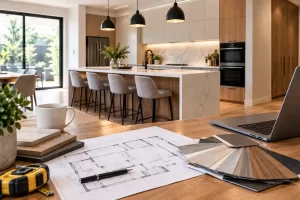
At the core of custom joinery eastern suburbs is spatial logic. Before any material is chosen, the layout is studied based on how people move through each room. This includes walking paths, reach distance, and interaction points with storage units. Poor planning usually happens when these factors are ignored, and design is treated as a visual exercise only.
In quality custom joinery, every section is mapped against real usage patterns. For example, kitchen storage near cooking zones is arranged based on frequency of use rather than symmetry. This avoids unnecessary movement and reduces daily friction. The same principle applies to wardrobes, laundries, and built-in storage units.
The aim is not to fill gaps but to assign purpose to every available section. That approach reduces wasted areas and improves functional flow across the entire home.
Material Decisions and Functional Impact
Material choice is not just about appearance. In custom joinery eastern suburbs, it directly affects how long the installation performs under daily use.
Load Resistance and Structural Stability
Heavier usage areas, such as kitchens, require materials that can handle repeated opening, closing, and pressure. Quality custom joinery often uses engineered boards and reinforced surfaces to maintain structural stability over time.
Moisture and Heat Exposure Handling
Bathrooms and laundries face constant exposure to moisture and temperature shifts. Without correct material selection, swelling and surface breakdown can occur. This is why custom joinery eastern suburbs projects considers environmental conditions early in the planning stage.
Maintenance Requirements Over Time
Low-maintenance surfaces reduce long-term upkeep. In quality custom joinery, this helps avoid repeated repairs and keeps surfaces usable for longer periods without heavy intervention.
Together, these factors ensure the installation remains stable and practical beyond the initial build phase.
Integration with Existing Home Structure
One of the more technical aspects of custom joinery eastern suburbs is how new installations connect with existing structures. Homes already contain fixed elements such as beams, wiring paths, plumbing lines, and uneven surfaces that must be accounted for.
Structural Coordination and Alignment
Joinery must align with existing walls and ceiling levels. Even small deviations can create gaps or pressure points that affect long-term performance.
Service Line Awareness
Electrical outlets, water lines, and ventilation points must be integrated into the design rather than worked around after installation begins.
Visual and Functional Continuity
Even though function is the priority, visual continuity still matters. Quality custom joinery ensures that new additions sit naturally within the existing interior without looking disconnected.
When these elements are handled correctly, the joinery becomes part of the structure rather than an addition placed on top of it.
Storage Efficiency and Usage-Based Design
Storage is often treated as a fixed requirement, but in reality, it varies based on how people use their space. custom joinery eastern suburbs focuses on designing storage based on behavior patterns rather than generic cabinet sizes.
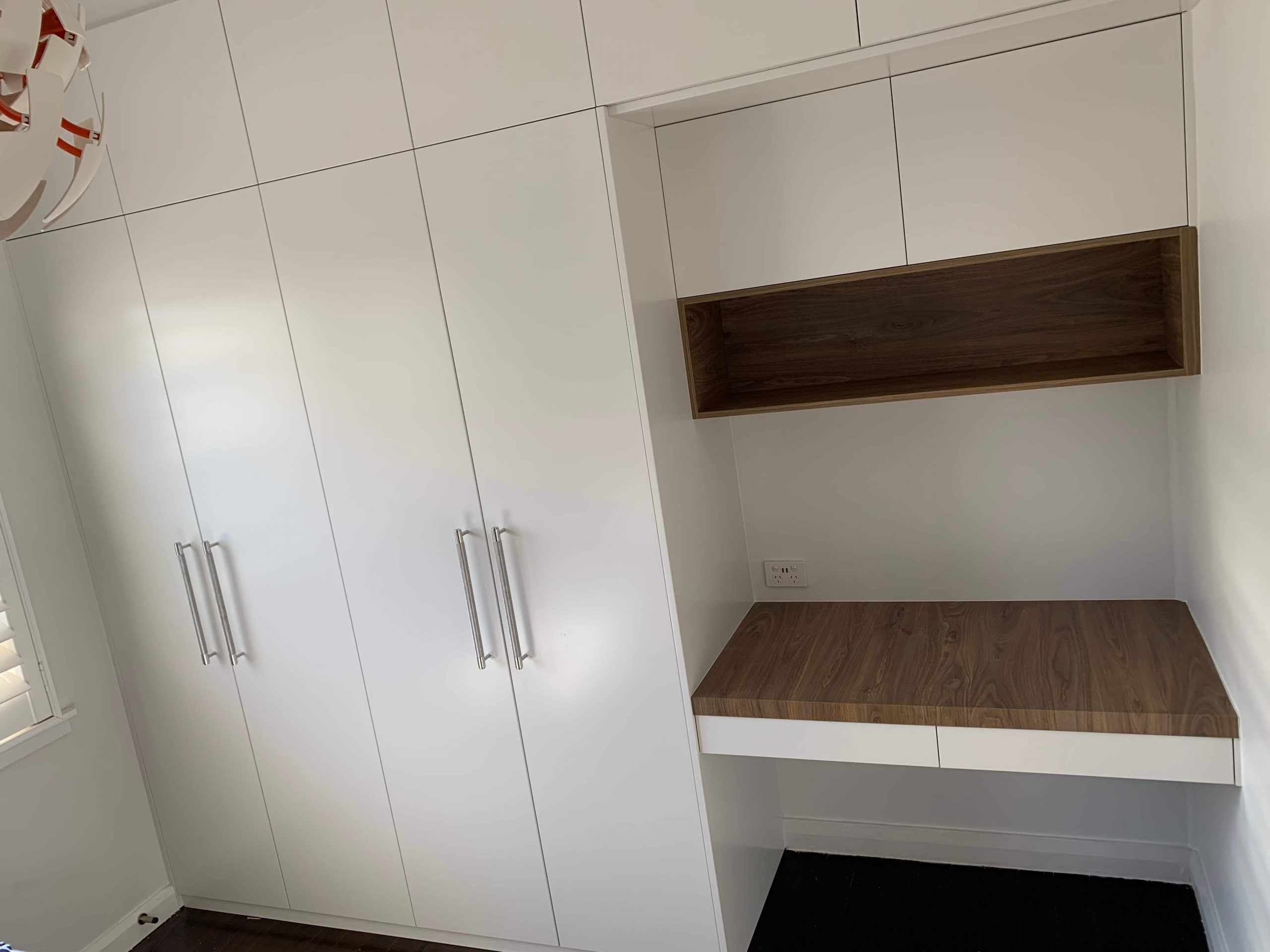
Frequently used items are placed within easy reach zones, while less-used items are stored in deeper or higher sections. This reduces unnecessary movement and improves daily efficiency. Quality custom joinery often divides storage into functional zones based on activity type rather than room size alone.
Vertical space also plays a major role. Many homes leave upper areas unused, which leads to wasted capacity. Proper planning ensures that these sections are included without making access difficult.
The result is a storage system that supports real usage instead of forcing adjustment from the user.
Planning, Execution, and On-Site Control
A major gap in many renovation projects is the difference between design intent and on-site execution. custom joinery eastern suburbs addresses this by connecting planning and installation through structured steps.
Measurements are confirmed before production begins. Any mismatch between design and physical space is corrected at this stage to avoid rework later. In quality custom joinery, this reduces delays and prevents material waste.
Installation follows a controlled sequence where each stage is completed and checked before moving forward. This helps maintain alignment with the original plan and reduces errors during fitting.
Clear communication between design teams and installers ensures that adjustments are made in real time rather than after completion.
Cost Thinking and Long-Term Use Value
Cost is often seen only as an upfront number, but in custom joinery eastern suburbs it is better understood as a long-term structure.
Initial investment may be higher than standard fittings, but the real value appears over time. Reduced repairs, better material life, and improved usage efficiency all contribute to lower long-term cost pressure.
Another important factor is adaptability. Quality custom joinery can often be adjusted or expanded without complete removal, which reduces future renovation costs.
From a planning perspective, cost is evaluated through:
- Expected material lifespan
- Maintenance frequency
- Likelihood of replacement
- Usage intensity over time
This approach gives a clearer picture of actual value rather than just installation price.
Conclusion
When storage stops working smoothly, it rarely happens overnight. It builds slowly through small design choices that were never aligned with how the space is actually used. Over time, those small issues turn into daily frustration.
Custom joinery eastern suburbs offers a structured way to fix that gap between layout and real-life use. It focuses on planning, material logic, and installation accuracy so that each part of the home supports how people actually live.
Wondrous Renovations works with this approach to ensure spaces are not only built but also properly thought through from the start. If your current layout feels restrictive or inefficient, delaying change only increases future cost and disruption.
Take the next step now. Reach out to Wondrous Renovations for a practical assessment of your space and get a clear direction on what can be improved before small issues become expensive problems.
Frequently Asked Questions (FAQs)
1. What is custom joinery eastern suburbs in simple terms?
It refers to made-to-fit storage and fittings designed specifically for your home layout and usage needs.
2. Is quality custom joinery suitable for older homes?
Yes, quality custom joinery can be designed to fit older structures without major structural changes.
3. How long does custom joinery eastern suburbs usually take?
Time varies based on project size, but most work follows a planned design and installation schedule.
4. Does custom joinery help with small storage problems?
Yes, it is often used to fix storage issues by making better use of available space.
5. Why do people choose custom joinery eastern suburbs over standard cabinets?
Because it fits the space properly and matches real usage instead of forcing fixed sizes.