
Many homeowners begin renovation work with images pulled from social media or display homes. The problem starts when those ideas meet real daily habits. A kitchen may look clean in photos, yet fail during busy mornings. Storage may appear large, but still leave bags, shoes, and appliances sitting in open areas. This disconnect often leads to rooms that look good for a short time but frustrate people during normal routines. Families then spend more money correcting layout faults, moving fittings, or replacing materials that wear down too fast. Experienced joiners Sydney approach projects from a different angle. They study movement, appliance placement, lighting direction, and storage pressure before any panel or cabinet is installed. In many cases, lessons taken from joinery Melbourne eastern suburbs projects also show how planning methods vary between compact city homes and larger suburban layouts. These practical factors shape rooms that support everyday use instead of working against it.
Daily Living Patterns Shape Room Layouts
Experienced joiners Sydney often begin by studying movement patterns inside the home rather than focusing only on visual styling. A kitchen used by a retired couple operates very differently from one shared by five family members during school mornings. Cabinet depth, walking gaps, bench spacing, and drawer access all affect daily use. In smaller Sydney homes, poorly placed island benches can create blocked movement near ovens or sinks. This issue becomes more noticeable in homes where several people prepare meals at the same time. Similar planning concerns also appear in joinery Melbourne eastern suburbs projects where open living areas must connect kitchens, dining zones, and outdoor spaces without causing congestion. Skilled planners, therefore, study workflow first, then build room arrangements around actual household habits rather than showroom trends alone. This process also reduces material waste and avoids expensive layout corrections later in the project.
Material Choices Affect Long-Term Function
Surface Selection Under Heavy Household Use
Material selection affects cleaning time, repair frequency, and general room performance. Many homeowners choose finishes based only on appearance, yet surface quality becomes more important after years of cooking, cleaning, and moisture exposure. Joiners Sydney often recommend moisture-resistant boards near sinks and laundries because steam and spills slowly damage lower-grade products. Bench materials also need careful review since some surfaces stain faster under oil, wine, or acidic food contact.
Cabinet Hardware And Daily Wear Pressure
Cabinet hardware handles repeated stress every single day. Hinges, runners, and pull systems carry more pressure than many clients expect. Poor quality fittings often loosen after a short period, especially in homes with children. Projects linked to joinery Melbourne eastern suburbs frequently include soft-close systems because they reduce impact stress on doors and drawer fronts. Good hardware planning also lowers future maintenance costs and reduces noise inside active households.
Lighting placement matters as well. Dark corners inside pantries or overhead cabinets reduce visibility and increase frustration during meal preparation. Electrical planning should therefore happen before cabinet construction begins. This prevents later drilling or costly rewiring after installation work has already finished.
Storage Planning Within Active Family Homes
Storage problems rarely come from lack of space alone. Most issues begin with poor allocation. Families often place daily-use items in hard-to-reach areas while large empty sections remain unused. joiners sydney usually solve this by grouping storage around activity zones instead of room categories alone.
Common storage planning methods include
- Deep drawers near cooking zones for pots and pans
- Pull out pantry systems beside preparation benches
- Vertical storage for trays and chopping boards
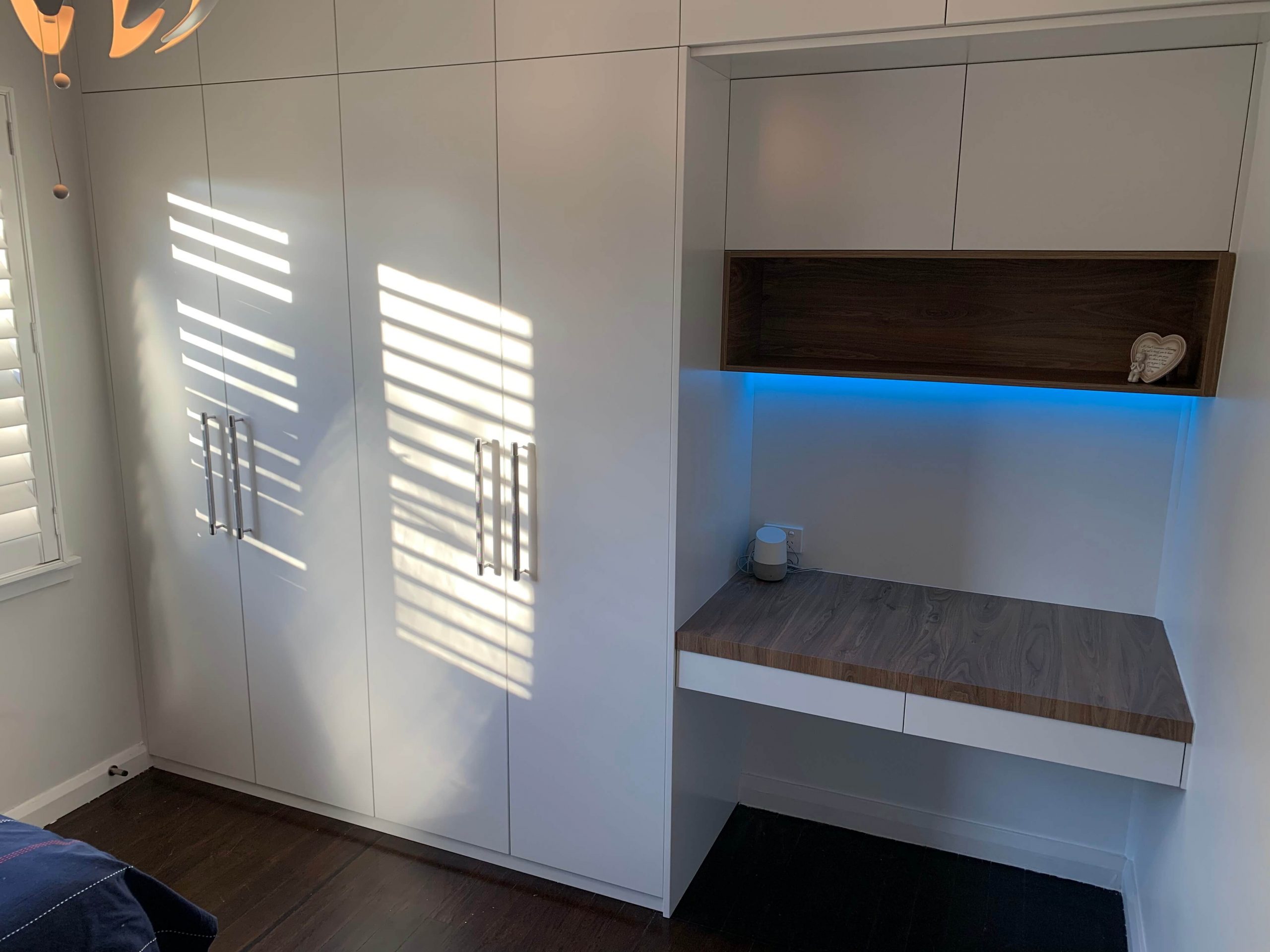
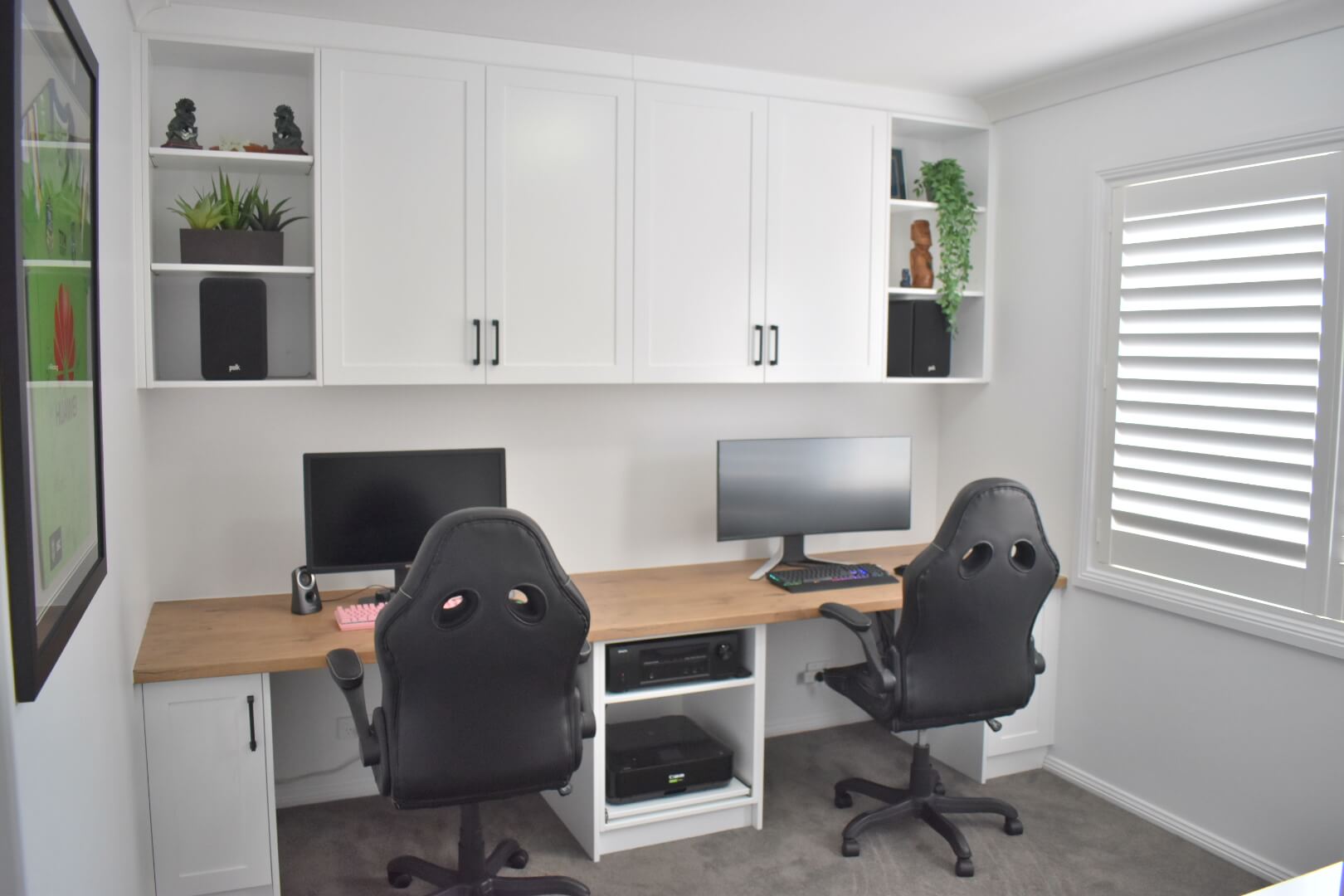
- Hidden charging stations near study spaces
- Overhead cabinets reserved for seasonal items
- Shoe storage positioned close to entry points
Projects involving joinery Melbourne eastern suburbs also show growing demand for dual-purpose storage in apartments, where room sizes continue shrinking. Built-in seating with internal compartments has become common in dining areas and window spaces.
Good storage planning reduces visual clutter and improves cleaning access. It also shortens the time spent searching for daily-use items. When each section of the home supports a specific activity, rooms operate with less frustration and fewer interruptions during busy periods.
Lighting Flow And Surface Use In Kitchens
Bench Lighting Across Preparation Areas
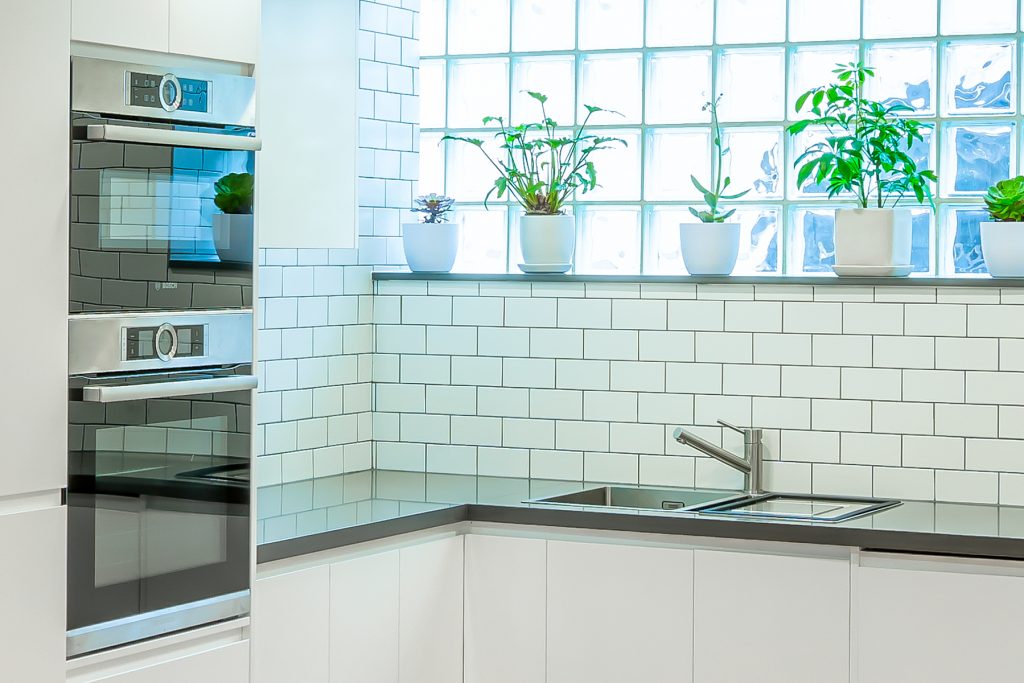
Lighting directly affects safety and work quality inside kitchens. Poor light placement creates shadows over preparation benches and cooking surfaces. joiners sydney now work closely with electricians during planning stages because cabinet height and lighting direction must support each other. Overhead pendants alone rarely provide enough usable light for food preparation. Under-cabinet lighting often improves visibility near sinks and benchtops where detailed tasks take place.
Natural light also changes surface appearance throughout the day. Gloss finishes may create glare near large windows, while darker cabinets absorb available light in narrow kitchens. Many projects connected to joinery Melbourne eastern suburbs therefore use mixed finishes to balance brightness across different areas. This approach also helps maintain visual comfort during daytime and evening use.
Surface Planning For Daily Cleaning Needs
Kitchen surfaces face constant exposure to moisture, oil, heat, and cleaning chemicals. Material selection should therefore consider maintenance routines instead of appearance alone. Porous surfaces may absorb stains, while poorly sealed joins collect grease and bacteria over time. Data from renovation case studies shows that smooth low joint surfaces reduce cleaning time in active households.
Bench edges also affect long-term use. Sharp edges chip faster in homes with frequent movement around island benches. Rounded profiles reduce impact damage and lower injury risk for children. Floor surfaces deserve equal attention since polished finishes may become slippery near sinks and dishwashers. These planning decisions shape kitchens that remain practical during years of daily use rather than only during the first months after installation.
Room Access And Workflow Inside Homes Today
Daily movement inside a home affects comfort more than many people expect. Poor access between rooms often creates frustration during busy hours. joiners sydney study walking paths carefully because blocked movement near hallways, laundries, and kitchens quickly becomes a problem in active households.
Workflow factors commonly reviewed include
- Distance between refrigerators and preparation benches
- Laundry access from outdoor drying areas
- Door swing clearance near storage units
- Walkway width around dining furniture
- Bathroom access during morning rush periods
- Appliance placement near power outlets
Homes linked with joinery Melbourne eastern suburbs often require stronger planning around shared living areas because open layouts increase movement across several zones at once. This creates extra pressure on flooring, storage access, and seating arrangements.
Workflow planning also supports safety. Narrow walkways near ovens or wet areas increase accident risks. Better room access reduces collisions, lowers congestion, and supports smoother movement across the home throughout the day.
Practical Joinery Decisions For Busy Homes
Modern households place heavy pressure on kitchens, laundries, wardrobes, and living areas. Joiners Sydney therefore focus heavily on planning details that support repeated daily use. Cabinet placement must support cleaning access while still leaving enough clearance for appliances and movement. Drawer heights should match the size of stored items instead of following standard measurements alone. Small planning changes often produce better results than expensive visual upgrades.
Ventilation also deserves more attention during renovation work. Steam, heat, and trapped moisture slowly damage surfaces when airflow is ignored. This becomes especially important in apartments where natural ventilation may already be limited. Good planning balances storage, access, airflow, and lighting together rather than treating each part separately. When all these factors work together, rooms stay practical for longer periods and support changing family needs more effectively.
Final Thoughts
A large number of homeowners delay planning discussions until construction has already started. That decision often increases project costs and limits layout options. Wondrous Kitchens approaches project planning through practical room use, movement analysis, and material suitability rather than temporary design trends. joiners sydney who study household behaviour before installation work begins often avoid the layout problems many families face after renovation work is complete.
Waiting too long to review these details can lead to avoidable repair costs, reduced storage value, and daily frustration inside the home. Homeowners planning kitchen, wardrobe, or laundry updates should therefore review layouts early, question every access point, and confirm material suitability before installation dates are locked in. Small planning decisions made today often decide whether a room works properly five years from now.
If your kitchen, laundry, wardrobe, or living area no longer supports the way your household operates, now is the right time to act. Speak with the team at Wondrous Kitchens today and secure a space built for real daily living before avoidable issues become permanent frustrations.
Frequently Asked Questions (FAQs)
1. Can joiners Sydney improve storage in compact homes?
Yes, they often use vertical storage, deeper drawers, and activity-based layouts to increase usable space inside smaller homes.
2. Are lighting plans important during joinery work?
Yes, lighting affects visibility, cleaning, and kitchen safety, especially around preparation benches and cabinet areas.
3. Do joinery Melbourne eastern suburbs follow different layout trends?
Many homes there include open living areas, so room flow and shared access planning receive greater attention during design stages.
4. Which materials handle heavy kitchen use better?
Moisture-resistant boards, strong hardware systems, and easy-to-clean surfaces usually perform better in busy family kitchens.
5. Should workflow planning happen before installation begins?
Yes, early planning reduces layout mistakes, limits future repair costs, and improves room function during everyday use.