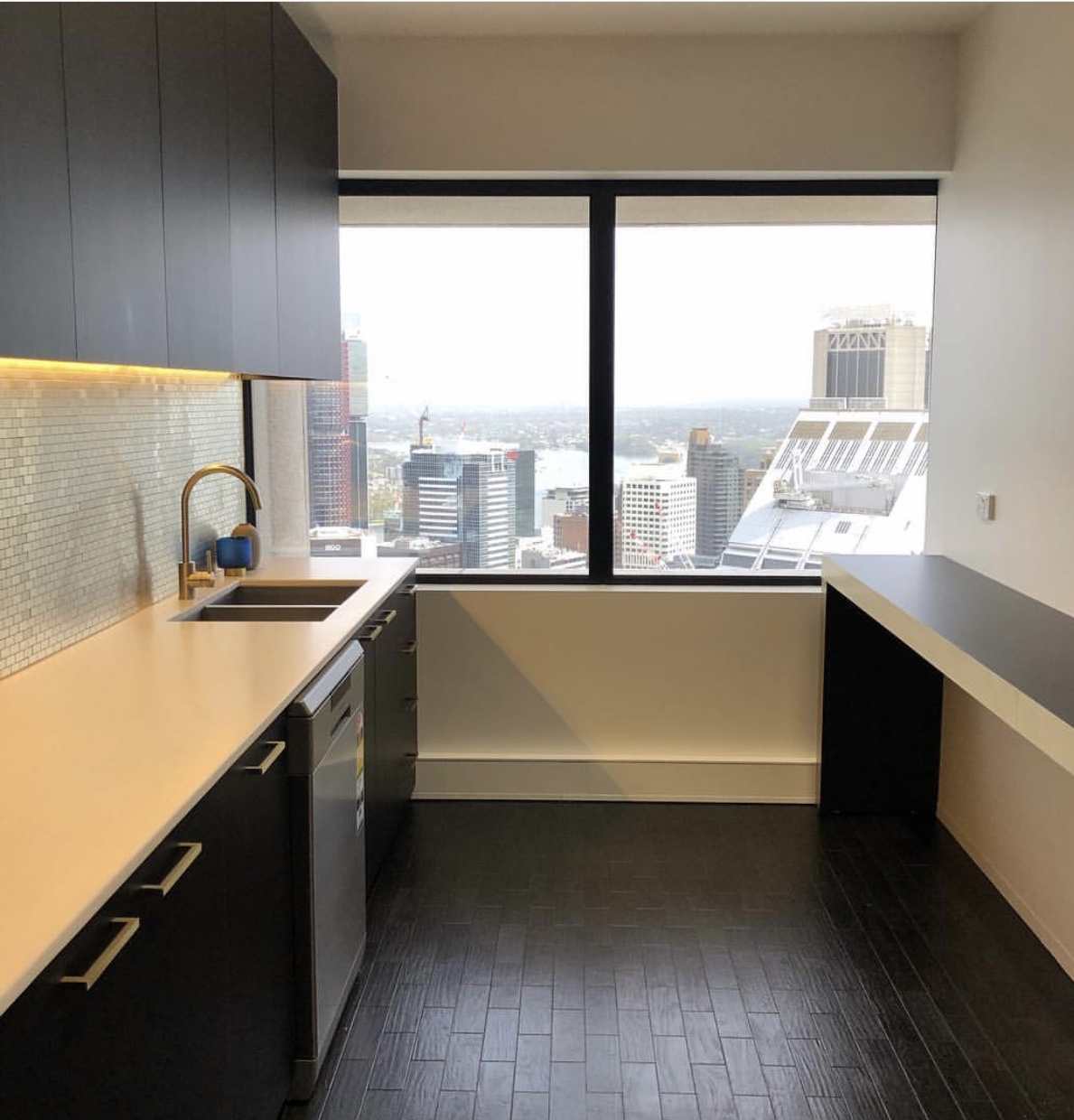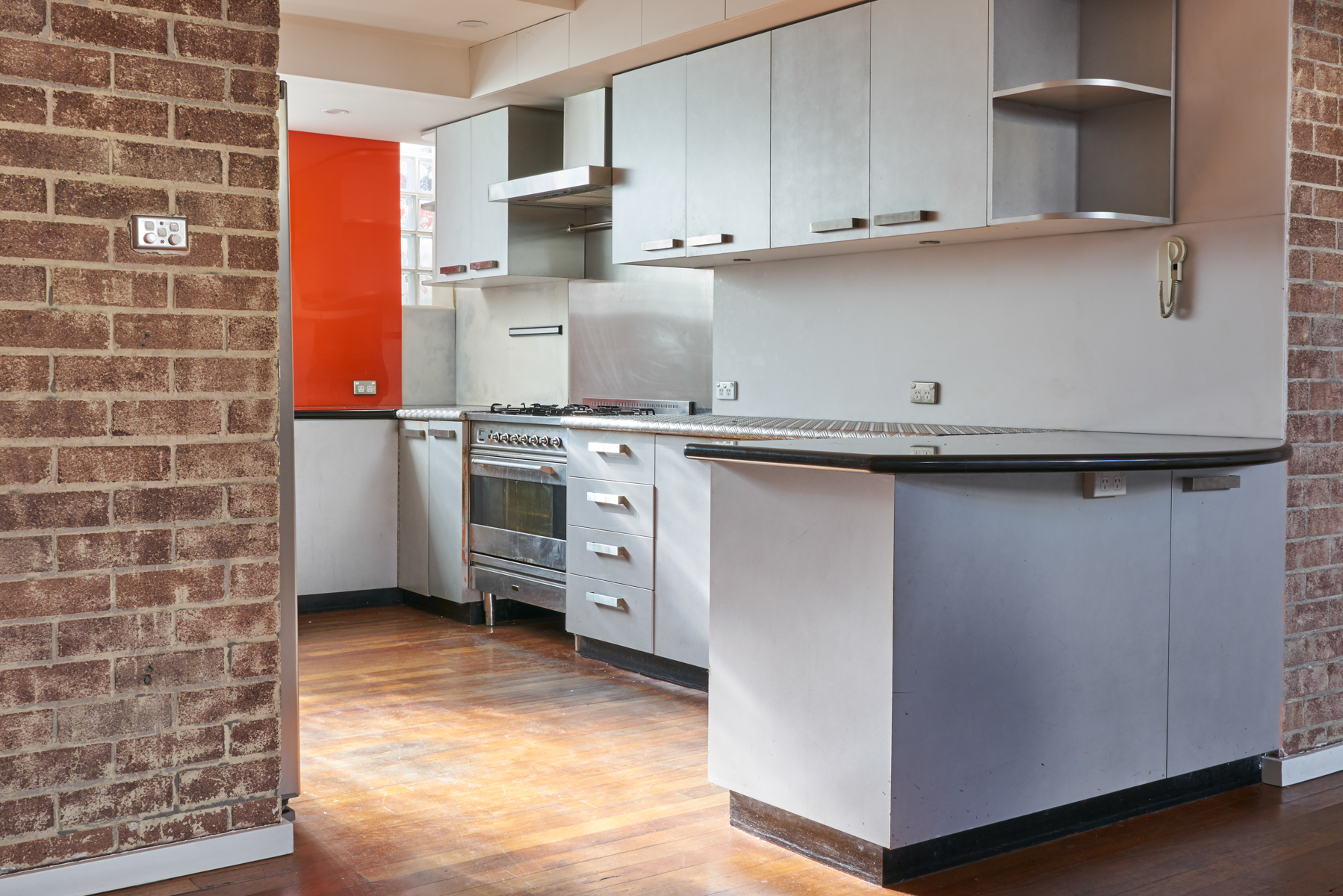
Property upgrades frequently stall when structural specifications clash with actual on-site assembly realities. Homeowners routinely face sagging overhead units, binding cabinet doors, and moisture-damaged plinths within twenty-four months of an installation because they prioritized showroom aesthetics over basic engineering standards. This mechanical failure occurs when local workshops rely on inferior hardware grading and subfloor leveling methods that fail under daily load stresses.
Spending thousands on a kitchen build only to watch carcass joints split under the weight of stone benchtops is a stressful scenario that derails your property investment. Eliminating these structural failures requires a strict evaluation framework based on material density, weight capacities, and joinery standards. The following breakdown outlines the critical mechanical markers needed to evaluate local production shops before signing your renovation contract.
Core Material Densities and Substrate Standards
Substrate selection dictates the entire lifecycle of your cooking space cabinetry. High moisture-resistant medium-density fibreboard, known as HMR MDF, serves as the industrial baseline for wet areas due to its dense internal core structure. Standard particleboard readily absorbs ambient moisture, leading to internal swelling and eventual structural collapse near sinks and dishwashers. When evaluating options for kitchen joinery near me, look for workshops that utilize local Australian Standard AS/NZS 1859.2 certified panels. These boards undergo testing for specific internal bond strength, screw holding capacity, and thickness swelling rates over set periods. Insisting on a minimum density of 720 kilograms per cubic metre for all structural carcasses prevents the structural sagging that causes benchtop cracking.
Hardware Selection and Load-Bearing Capacities
Drawer Runner Systems
The mechanical integrity of a kitchen resides entirely in its moving hardware systems. Lower-tier runners use lightweight plastic components that warp under heavy kitchenware weight, resulting in uneven panel spacing and sticky operation. Professional-grade installations demand full extension steel drawer tracks rated for a static load capacity of fifty kilograms minimum. These systems incorporate liquid dampeners to manage kinetic energy during closure, preventing impact stress on the cabinet carcass joins.
Concealed Hinge Mechanisms
Door alignment depends entirely on the build quality of the concealed hinge assemblies. Reputable installers specify all steel cup hinges featuring three-way independent screw adjustments for millimeter-perfect panel alignment. These components should feature internal mechanical spring systems that control closing speeds without relying on external stick-on pads. Choosing hardware tested for one hundred thousand operating cycles guarantees your doors remain perfectly plumb through years of constant everyday usage.
Structural Assembly Techniques and Carcass Integrity
Specifying the correct raw materials matters little if the assembly methods fail to handle vertical shear stresses. Budget manufacturers frequently save time by assembling carcasses using staples or thin brads through the back panels. This practice leads to cabinet racking, where the entire box shifts out of square under the heavy weight of stone benchtops. Heavy-duty joinery requires a combination of solid wood dowels and deep-gauge steel assembly screws driven directly into pre-drilled structural pilots.
- Solid 16mm backing boards keep the cabinet perfectly square during shipping and final site installation.
- Blind mortise joints lock adjacent panels into position to stop movement under heavy loads.
- Screw structural rails run along the top front and rear faces to anchor the benchtop down safely.
Selecting local workshops that build using these exact methods ensures your framing remains stable over decades of use. Shops specializing in premium custom joinery Vaucluse projects rely on these robust assembly systems to support massive marble counter slabs without structural deflection. Utilizing solid backing panels rather than thin masonite sheets creates a completely rigid structure that handles daily kitchen workloads.
Edge Banding Technology and Moisture Protection
Polyurethane Adhesive Bonds
Raw substrate edges require complete isolation from atmospheric moisture to prevent edge swelling. Traditional hot melt glues break down when exposed to ambient heat from ovens or steam from kettles, causing the outer protective tape to peel away. Modern production facilities utilize polyurethane reactive adhesives, known as PUR technology, which create a chemical bond impervious to water and high heat.
Laser Fusion Alternatives
Advanced fabrication shops use zero joint laser edging machines to fuse the edge tape directly onto the board face. This method removes the glue line entirely, eliminating the dark residue lines that attract kitchen grease and dust over time. Inspecting your supplier workshop to confirm they use PUR or laser edging protects your cabinet edges from delaminating near heavy steam areas.
Site Leveling Mechanics and Installation Precision
Floor surfaces across the Sydney region are rarely perfectly flat, meaning the installation team must compensate for subfloor variances during assembly. Substandard installations use timber packing blocks that rot or compress over time, leading to dropping benchtops and cracked splashbacks. True trade professionals use heavy-duty adjustable polymer feet mounted directly into the cabinet base plate to level every carcass perfectly.
- Independent leg adjustments compensate for uneven floors up to thirty millimeters without losing load capacity.
- Plinth boards clip directly onto the adjustable legs to allow simple removal for plumbing access.
- Chemical anchor bolts secure the rear framing to masonry walls to eliminate any forward tipping risks.
Once the lower frames are locked into a perfectly level plane, the installers tie adjacent carcasses together using inter-post binding screws. This technique forms a single monolithic structural block across the room that evenly distributes the weight of heavy stone counters. Homeowners seeking high-quality custom joinery Vaucluse installations look for this exact level of on-site mechanical preparation. This thorough leveling phase prevents cabinet door binding and ensures long-term alignment across all your continuous bench spaces.
Sourcing Verified Local Production Facilities
Direct communication with the actual fabrication team eliminates the costly misunderstandings common when dealing with middleman sales offices. When sourcing kitchen joinery near me, look for operations that manage the entire design and machining process inside their own local facilities. Visiting the local workshop lets you verify their raw material storage standards and inspect the actual machinery used for panel cutting. Dealing directly with a local fabricator who manages their own teams ensures full accountability from the first floor plan drawing to the final cleanup.
Choosing the Best Local Architecture Integration
Integrating custom cabinetry into premium residential spaces requires an understanding of local architectural styles and environmental demands. Properties located in coastal settings require specific hardware choices due to elevated salt spray levels in the air. For long-lasting custom joinery Vaucluse homes need grade 304 stainless steel hinges and moisture-proof backing panels to prevent coastal corrosion. Selecting a team familiar with these distinct local building requirements ensures your kitchen layout performs perfectly under specific regional conditions.
Maximizing Functional Storage Density
Smart kitchen design prioritizes usable internal volumes over basic external dimensions. Deep drawer units utilize available space much more efficiently than traditional under-bench cupboards, which often leave blind corners inaccessible. Incorporating internal steel pull-out baskets and corner carousel mechanisms ensures every single cubic centimeter of carcass space remains functional.
- Pull-out pantry towers provide full visibility of stored goods from both sides of the unit.
- Blind corner organizers bring hidden rear shelving content directly out into the open room.
- Integrated waste sorting bins keep recycling hidden away, cleanly beneath the main sink work zone.
Using these heavy-duty internal organizational components means you never have to bend down to search through dark lower shelves. High-tier kitchen joinery near me options always feature these smart internal systems as a core part of their layout planning.
Final Inspection Checklists Before Completion
The final handover stage requires a thorough mechanical review before signing off on the total project invoice. Test every single drawer runner under real weight conditions to ensure the soft close mechanism catches and operates correctly without catching. Check that all gaps between adjacent doors remain perfectly uniform across the entire run of cabinetry.
- Inspect all PUR edge joins to ensure no visible glue lines or loose tape edges exist.
- Verify that the under-sink carcass uses fully sealed aluminum drip trays to catch any potential water leaks.
- Confirm that all overhead units are bolted into wall studs using heavy-gauge structural coach screws.
Taking the time to verify these construction details protects your investment and ensures your cooking area functions perfectly for decades.
Conclusion
Investing in your property demands an assembly team that understands high-level construction guidelines and local building realities. Securing a kitchen layout that withstands heavy daily usage requires moving past basic showroom finishes to look closely at actual material densities and connection hardware. The team at Wondrous Renovations delivers this exact level of trade competence, backing every build with full public liability insurance and a strict zero deposit structure until the agreed work matches your expectations. Do not risk your property value on cut-price cabinet makers who hide cheap materials behind shiny modern doors.
Contact our Sydney project office right now to secure an on-site structural consultation for your premium kitchen joinery near me upgrade.
| Our production schedule for high-end custom joinery Vaucluse builds fills up months in advance, so lock in your design review today to avoid lengthy construction delays. |
Frequently Asked Questions (FAQs)
1. What specific substrate density should I request when ordering kitchen joinery near me?
You should specify a minimum core density of 720 kilograms per cubic metre of certified HMR MDF to prevent cabinet sagging and moisture damage.
2. Why should I invest in premium custom joinery Vaucluse services instead of choosing standard flat pack options?
Premium custom services use solid sixteen-millimeter backing panels and PUR edge banding to handle heavy stone benchtops without structural shifting.
3. How do I verify the hardware quality used by suppliers of kitchen joinery near me?
Demand steel runner systems rated for fifty kilograms static load that have been independently tested for one hundred thousand opening cycles.
4. What edge banding method is best for custom joinery Vaucluse homes exposed to high coastal humidity?
Laser fusion or polyurethane reactive hot melt adhesives provide a completely waterproof barrier that stops the outer protective tape from peeling.
5. How do professional installers ensure kitchen joinery near me stays level on uneven floors?
They utilize heavy-duty adjustable polymer legs attached directly to the base plate to level every single cabinet carcass down to the millimeter.