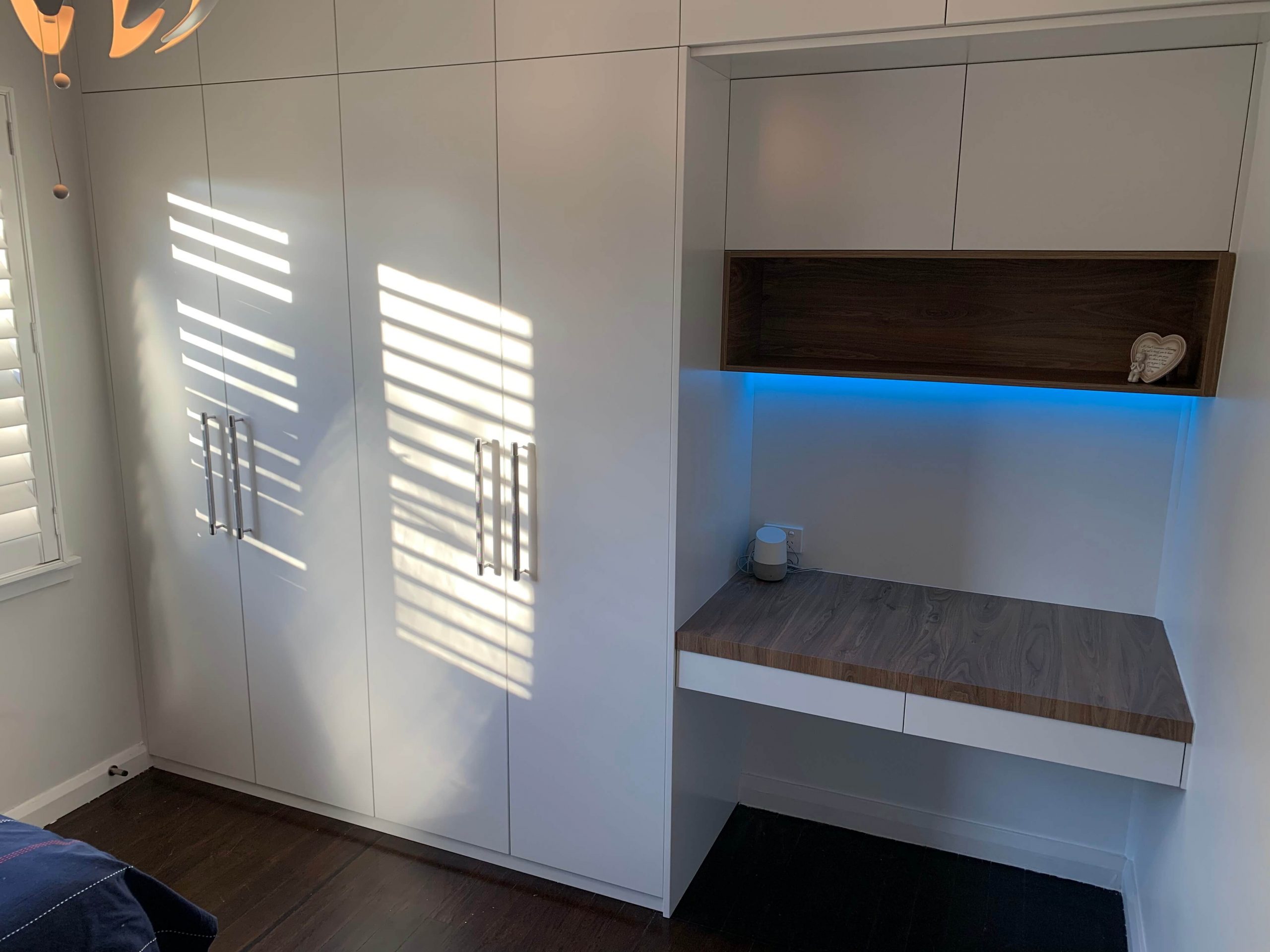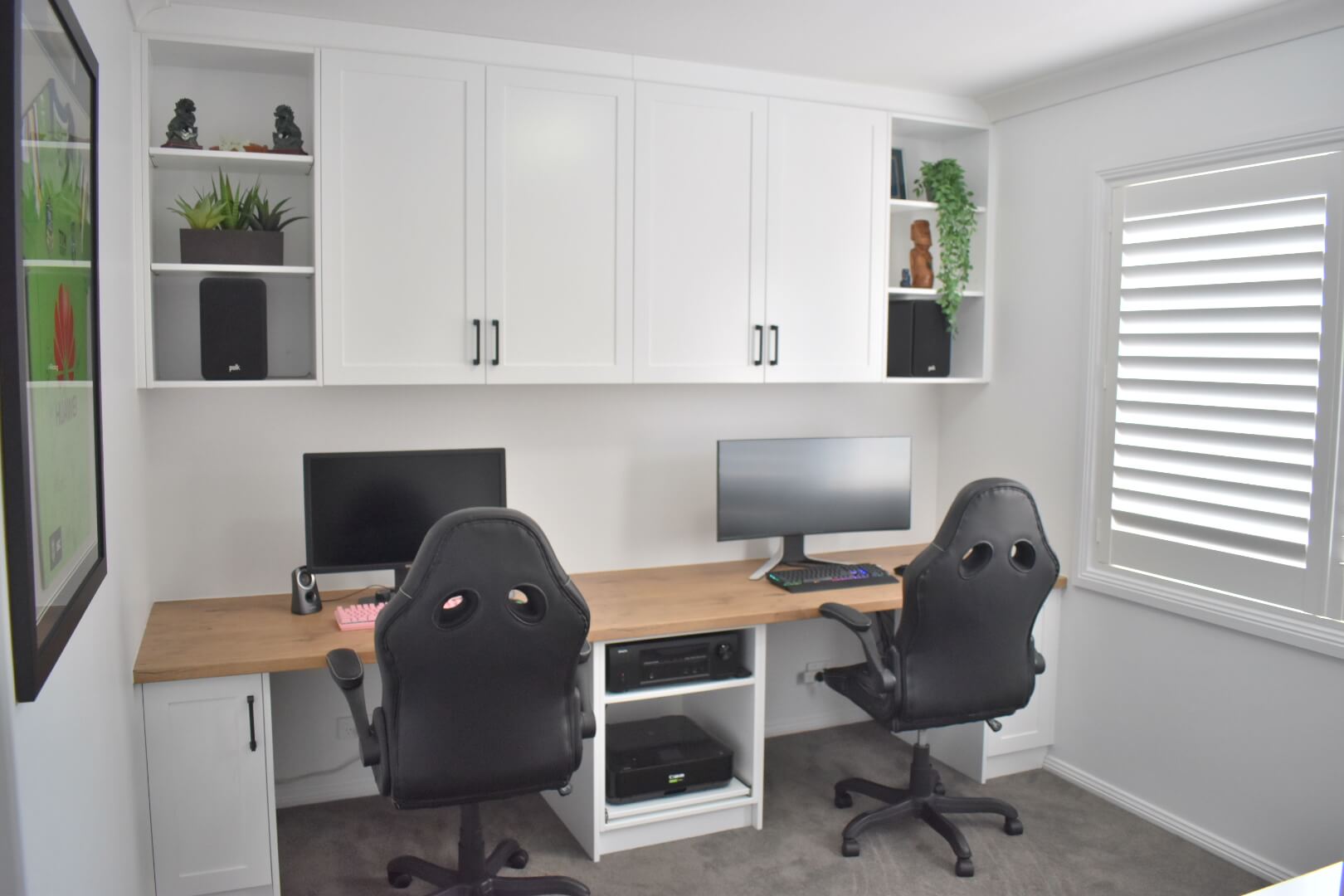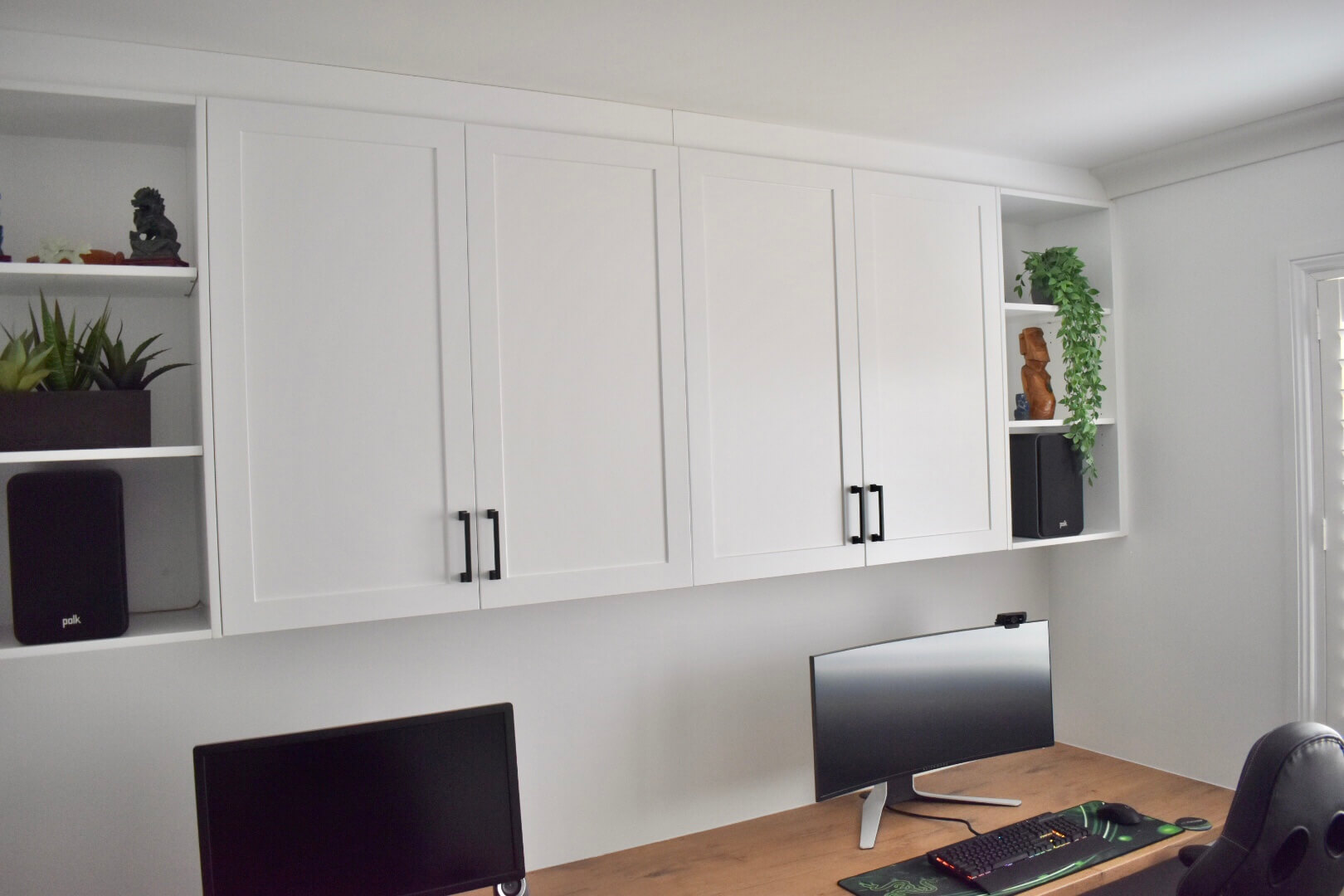
A joinery project rarely fails at the installation stage. It usually breaks down much earlier, during planning, measurement, or contractor selection. Many homeowners assume that all joinery providers operate at the same technical level, only to face misaligned cabinetry, poor material handling, or timelines that stretch far beyond expectations. The frustration builds when design intent does not match execution, especially in high-use areas like kitchens and storage systems.
This gap between expectation and delivery is not random. It is often linked to weak evaluation of technical capability, unclear scope definition, and lack of process visibility. Once work begins, correcting these issues becomes expensive and disruptive.
Understanding how to assess joinery eastern suburbs experts before signing any agreement can prevent these outcomes. The following sections break down key technical, operational, and planning factors that should guide your decision.
Scope clarity and project feasibility checks
Before engaging any provider for joinery eastern suburbs, the first technical step is defining the scope with clarity. This includes dimensional accuracy, load requirements, material compatibility, and integration with existing structural elements. Without this baseline, even experienced teams may deliver inconsistent outcomes.
In joinery kitchens, for example, minor miscalculations in wall alignment or appliance spacing can lead to cascading issues during installation. A competent provider will conduct detailed site inspections, validate measurements against drawings, and flag potential constraints early. This is not a value-added service. It is a baseline requirement.
Feasibility checks also extend to workflow planning. Access points, demolition sequencing, and installation order must be mapped in advance. When these are overlooked, projects face delays that are often blamed on external factors but originate from poor preparation.
Material selection and structural compatibility
Substrate and load considerations
Material selection in joinery eastern suburbs projects is not just about visual preference. It directly affects durability, load-bearing capacity, and long-term stability. Engineered boards, solid timber, and laminates each behave differently under stress, humidity, and temperature variation.
Environmental exposure factors
In joinery kitchens, exposure to moisture, heat, and daily usage requires materials that can withstand repeated stress cycles. Selecting materials without considering these conditions often leads to swelling, warping, or joint failure.
A technically sound provider evaluates substrate compatibility with hardware systems such as hinges, runners, and fixings. This ensures that structural integrity is maintained over time. For instance, heavier cabinetry requires reinforced anchoring systems, especially when mounted on non-standard wall structures.
Material sourcing should also be traceable. Consistency across batches is critical to avoid variation in finish and performance. This level of detail separates basic service providers from those who understand the technical demands of joinery eastern suburbs work.
Cost structure and hidden expense factors
Cost estimation in joinery eastern suburbs projects often appears straightforward at first glance. However, the final cost can shift significantly if initial quotes lack detail or exclude critical components.
Key factors that influence cost include:
- Material grade and thickness variations
- Hardware quality and load rating
- Installation complexity based on site conditions
- Finishing processes such as coating or sealing
- Labor allocation and project duration
In joinery kitchens, additional costs may arise from appliance integration, electrical adjustments, or plumbing modifications. These are rarely included in base quotes unless explicitly discussed.
A transparent cost structure should break down each component rather than presenting a lump sum. This allows for better control during project execution and reduces the likelihood of unexpected charges.
In practice, many disputes in joinery eastern suburbs projects stem from unclear pricing rather than workmanship. Addressing this early protects both parties and ensures smoother delivery.
Project timelines and workflow sequencing
Pre-installation coordination
Timeline management in joinery eastern suburbs projects depends heavily on coordination between design, fabrication, and installation stages. Delays often occur when these stages operate in isolation rather than as a continuous workflow.
On-site execution phases
In joinery kitchens, sequencing becomes even more critical due to the involvement of multiple trades. Cabinet installation must align with electrical and plumbing schedules to avoid rework.
A structured timeline should include milestones such as material procurement, fabrication completion, site preparation, and final installation. Each phase should have defined responsibilities and contingency allowances.
When timelines are compressed without adjusting resources, quality often suffers. On the other hand, overly extended timelines can indicate inefficiencies in planning or execution. A balanced approach is essential for successful joinery eastern suburbs delivery.
Quality control and installation standards
Quality control in joinery eastern suburbs projects is not limited to final inspection. It must be integrated throughout the process, from material selection to installation.
During fabrication, dimensional accuracy should be verified against approved drawings. Any deviation, even within small tolerances, can affect final alignment. In joinery kitchens, this becomes visible in door gaps, drawer alignment, and surface continuity.
Installation standards also play a major role. Proper leveling, secure fixing, and consistent spacing are basic requirements. However, achieving them consistently requires trained personnel and clear guidelines.
Quality checks should include:
- Verification of measurements before installation
- Inspection of material condition upon delivery
- Alignment checks during installation
- Functional testing of moving components
- Final review against design specifications
A structured quality process reduces rework and ensures that the outcome meets expected standards for joinery eastern suburbs projects.
Contractor evaluation and risk indicators
Selecting the right contractor for joinery eastern suburbs work requires more than reviewing past projects. It involves assessing operational capability, communication practices, and risk management approach.
Key indicators to evaluate include:
- Clarity in technical explanations
- Willingness to address potential issues upfront
- Consistency in project documentation
- Availability of skilled installation teams
- Approach to handling delays or changes
In joinery kitchens, where precision in layout and integration is critical, these factors become even more important. A contractor who avoids detailed discussions or provides vague answers may lack the depth required for complex projects.
Risk assessment should also consider workload capacity. Overcommitted providers may struggle to maintain quality and timelines, regardless of their experience.
A structured evaluation process helps identify gaps early and ensures that the selected provider can handle the technical demands of joinery eastern suburbs projects.
Conclusion
Most project failures are not sudden. They are built slowly through overlooked details and rushed decisions.
Choosing the right approach to joinery eastern suburbs means focusing on structure, planning, and technical clarity from the beginning. When these elements are aligned, outcomes become predictable and consistent. When they are ignored, even simple projects can become difficult to manage.
Wondrous Renovations operates with a clear process that addresses these challenges at each stage, from early planning to final installation. If you are preparing to joinery kitchens or any interior upgrade, this is the point where decisions matter most.
Delaying proper evaluation often leads to higher costs later. Taking action now allows you to secure the right team, define the scope clearly, and move forward with confidence. Your project outcome depends on the choices you make before work begins.
Ready to Plan Your Joinery Project with Clarity
If you are still weighing your options, this is the stage where most decisions either save time or create long-term issues.
Speak with the team at Wondrous Renovations and get a clear breakdown of your joinery eastern suburbs project before anything begins. No assumptions, no vague estimates, just direct answers based on your space, your layout, and your requirements.
Whether you are planning joinery kitchens or a full interior upgrade, early discussion helps avoid rework, delays, and unnecessary costs.
Reach out now and get a clear direction before your project moves forward.
Frequently Asked Questions (FAQs)
1. How do I choose the right joinery eastern suburbs provider?
Focus on experience, clear communication, and detailed project planning rather than just pricing.
2. Are joinery kitchens more complex than other projects?
Yes, they involve multiple systems like plumbing and electrical which require careful coordination.
3. How long does a joinery eastern suburbs project take?
Timelines vary based on scope, but proper planning reduces delays significantly.
4. What materials are best for joinery kitchens?
Materials should be selected based on durability, moisture resistance, and usage patterns.
5. Can I reduce costs in joinery eastern suburbs projects?
Costs can be managed by clear scope definition and avoiding last-minute changes.